Since ancient times, symmetry has been fundamental in the artistic expression of different cultures. In Ancient Rome and Al-Andalus under Nasrid influence, we find dazzling examples of how symmetry materializes in works of incomparable beauty. Both styles have left a lasting mark in art history, not only transmitting aesthetic senses but also conveying deep messages about spirituality, order, and perfection.
Symmetry in Roman Mosaics
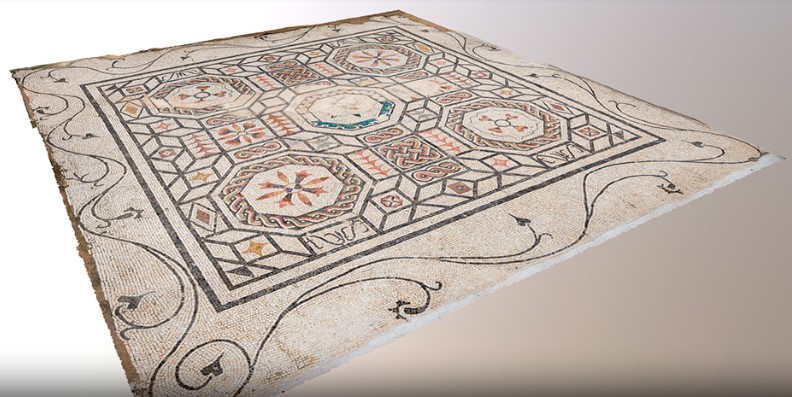
Roman mosaics are perhaps one of the most emblematic exponents of symmetry in classical culture. These mosaics, which adorned villas, baths, and public buildings, consisted of arranging small stone, ceramic, or glass pieces called tesserae, which formed intricate geometric and figurative designs.

Symmetry, in its various manifestations, was key in these mosaics. Reflection, rotation, and translation symmetries structured the decorative motifs. This was not merely an aesthetic choice; it also aimed to convey a sense of harmony and balance, reflecting the Roman ideals of order and perfection (Link to «Los mosaicos romanos de Itálica, en tres dimensiones»)
Nasrid Art and Its Passion for Symmetry
Nasrid art, developed during the Nasrid Kingdom of Granada (1238-1492), represents a fusion of Islamic, Christian, and Hispano-Muslim traditions. Here, symmetry became a guiding principle. Symmetry in Nasrid art had not only aesthetic purposes but also spiritual dimensions. In Islamic culture, symmetry is associated with notions of divine unity and perfection, central concepts in Islamic philosophy.
Modular Grids in the Alhambra: Eternal Order and Beauty
A key aspect of symmetry in Nasrid art is the presence of modular grids. These networks consist of repeating complex geometric patterns, like eight, ten, or twelve-pointed stars, arranged on underlying mathematical grids. These structures create visual effects of infinity and continuity, concepts tied to Islamic spirituality and the idea of eternity.
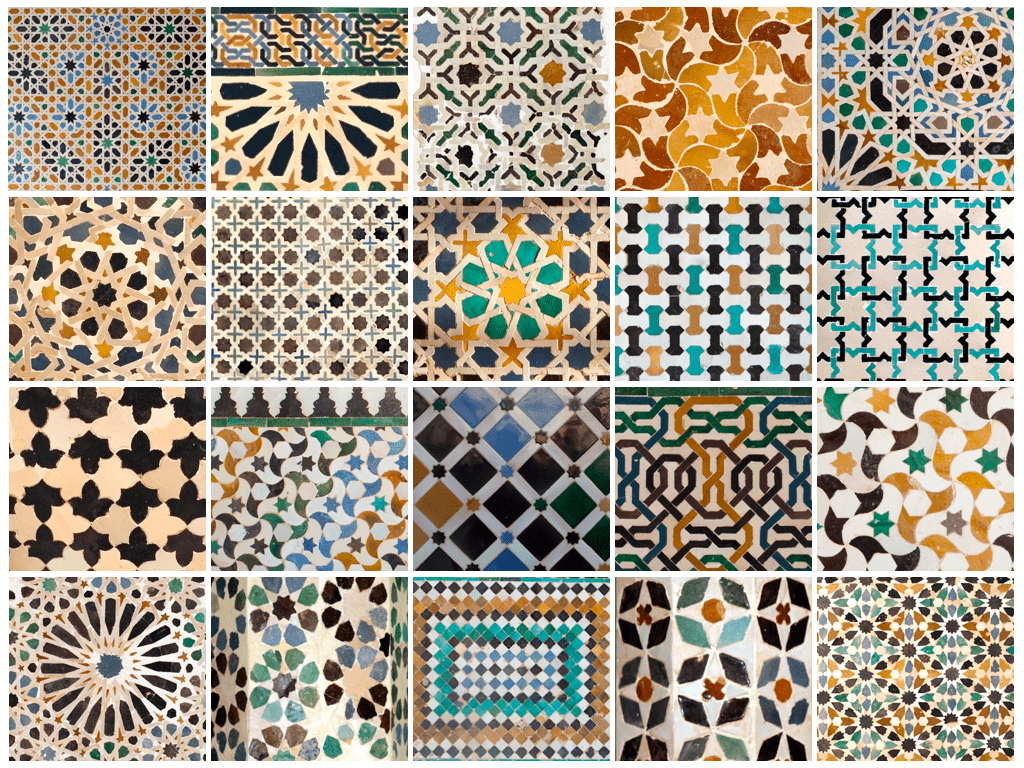
The Alhambra’s modular networks present several distinctive features:
- Use of complex geometric patterns, based on simple shapes yet arranged sophisticatedly to create designs of great visual depth.
- Grid systems serving as guides for the motifs’ layout, achieving a sense of harmony.
- Multidimensional symmetry, combining translation, rotational, and reflective symmetries for a dynamic visual experience.
- Superposition of elements, where geometric motifs intertwine with calligraphic and vegetal designs, creating unique visual richness.
These networks not only showcase the technical mastery of Nasrid artisans but also symbolize the connection between art and spirituality.
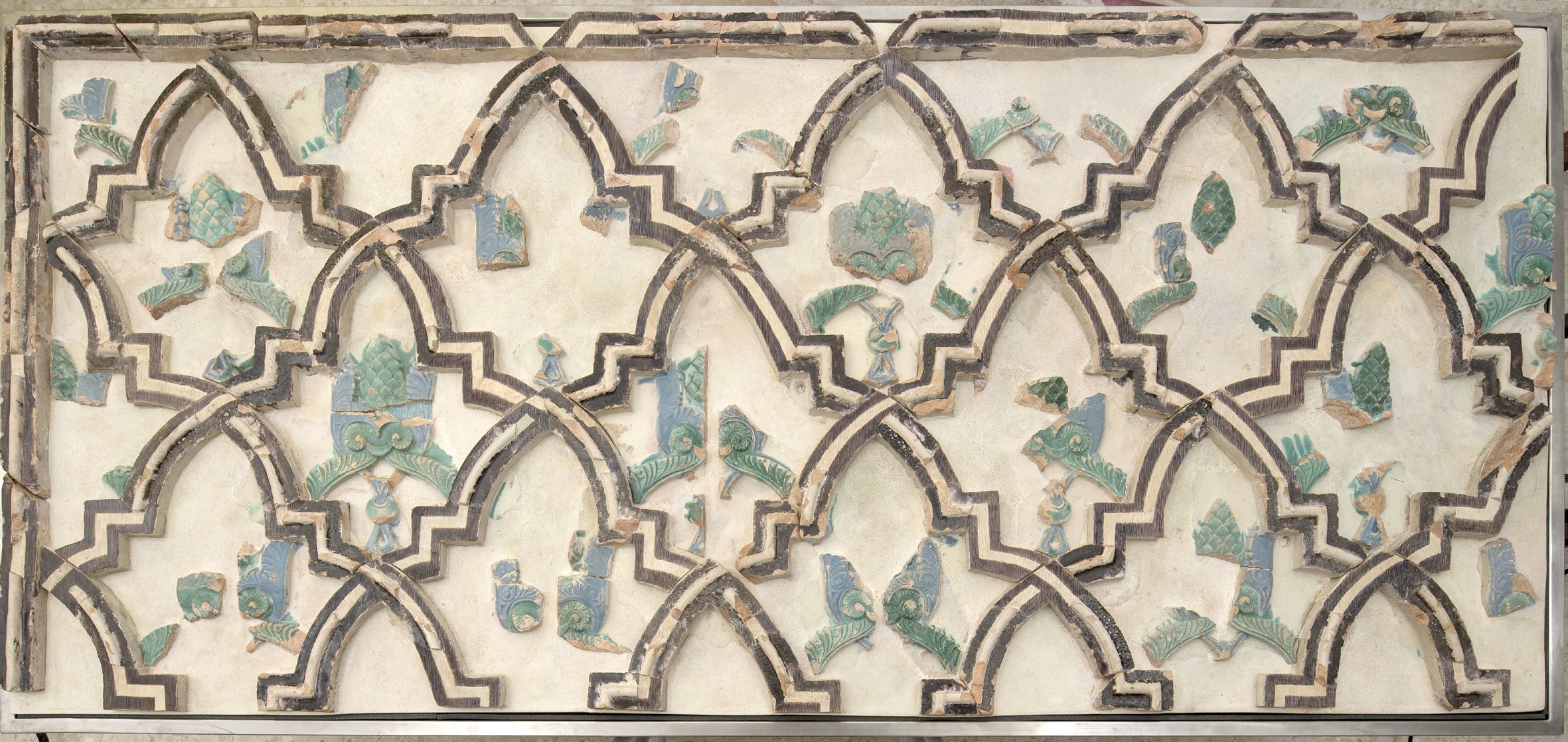
Nasrid artisans employed advanced mathematical techniques to create complex symmetrical patterns that conveyed a sense of infinite order and a direct connection with the transcendental. This is reflected, for instance, in the sebka, a reticular composition combining geometric and vegetal motifs, featuring perfectly calculated rotational symmetries and translations.
A Bridge Between Cultures: Symmetry, Mosaics, and Nasrid Art
Despite cultural and temporal differences, both Romans and Nasrids shared a deep interest in symmetry and its power to create visually impactful and conceptually profound artworks. For both cultures, symmetry was a means of expressing universal order and its connection to the divine.
In Roman mosaics, symmetry had an aesthetic component, reflecting the idea of beauty as a manifestation of balance and proportion. In Nasrid art, symmetry transcends aesthetics to reach a symbolic and spiritual level, representing infinity and divine unity.
Symmetry as a Shared Legacy
Symmetry has been, and remains, a universal element in art. In Roman mosaics and Nasrid art alike, symmetry is not just a visual resource but a shared language that transcends cultural and temporal boundaries. Through symmetry, these two cultures invite us to contemplate the beauty of order and perfection, leaving a legacy that has endured over the centuries.
Do you want to learn more about Symmetry?
Practice:
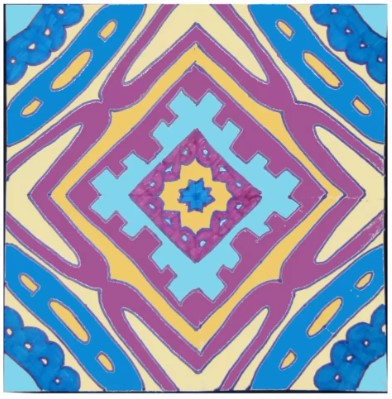
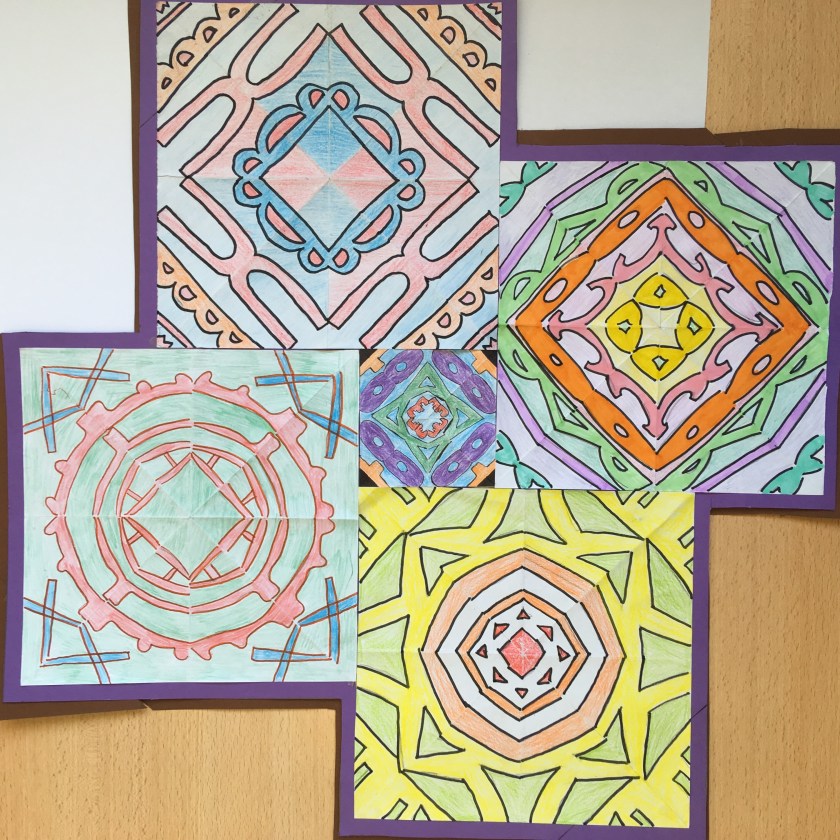
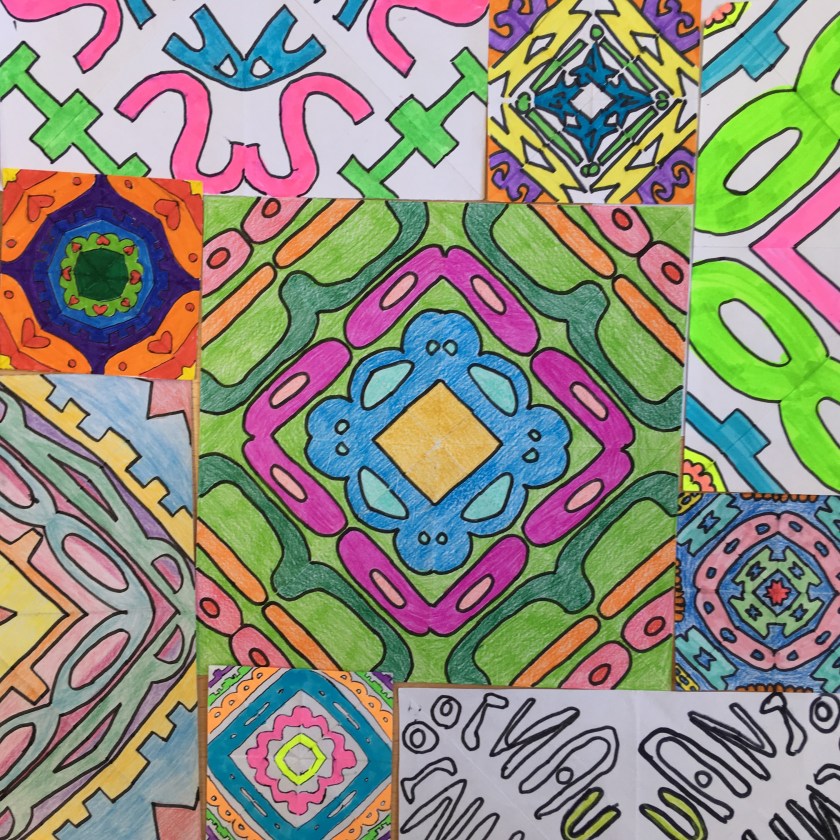
We are going to create a modular grid based on a symmetrical module that you will individually design. The final result will remain in the classroom as part of this year’s decoration.
How to create the module using our name
- Use a square piece of paper; remove the excess from an A4 sheet.
- Fold the square along its diagonals (from corner to corner) and along the midpoints of its sides.
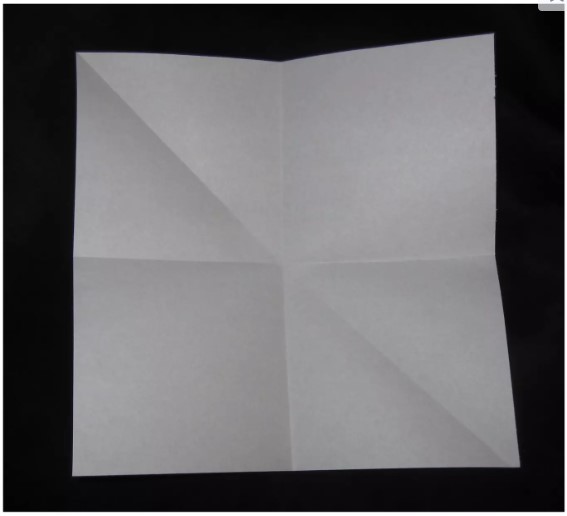
- When you have something like this, draw your name using double lines, trying to keep the letters open both at the top and the bottom (as if they didn’t fit).

- Once you have it, go over it with a marker, and then it’s just a matter of unfolding and tracing it in reverse on each triangle until you complete the module.
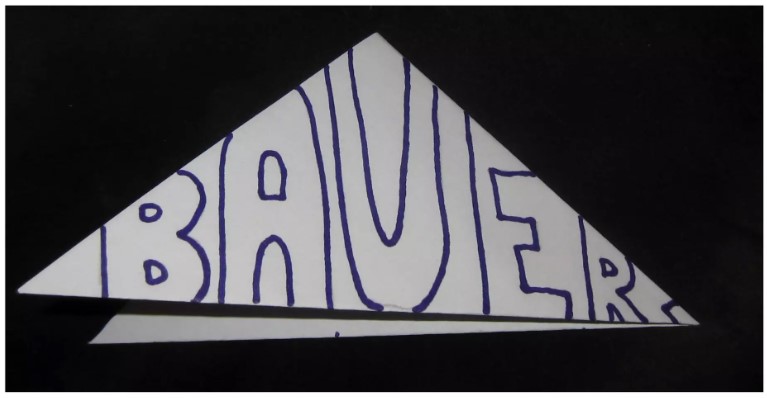
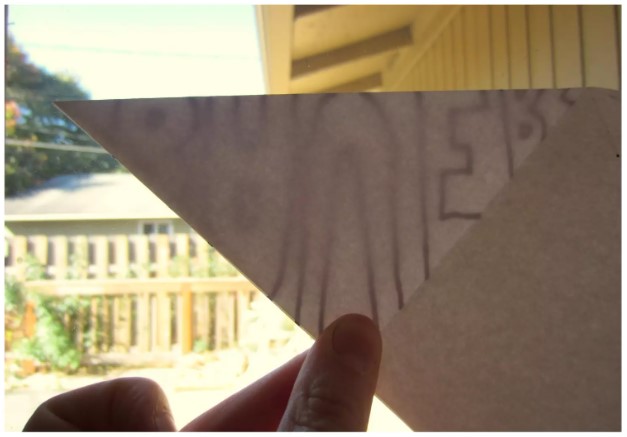
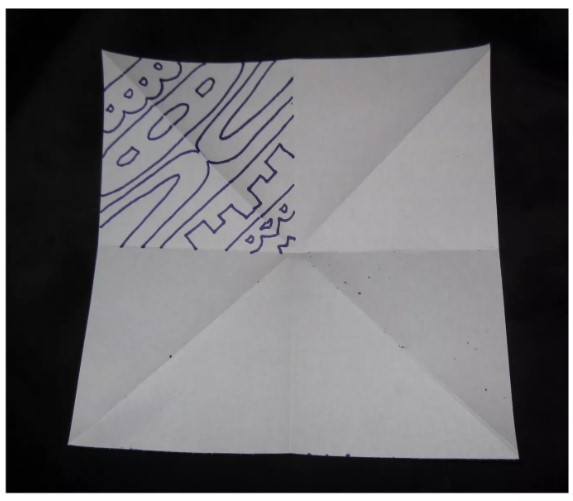
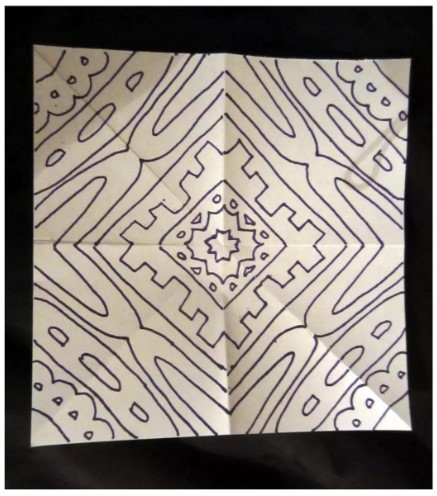
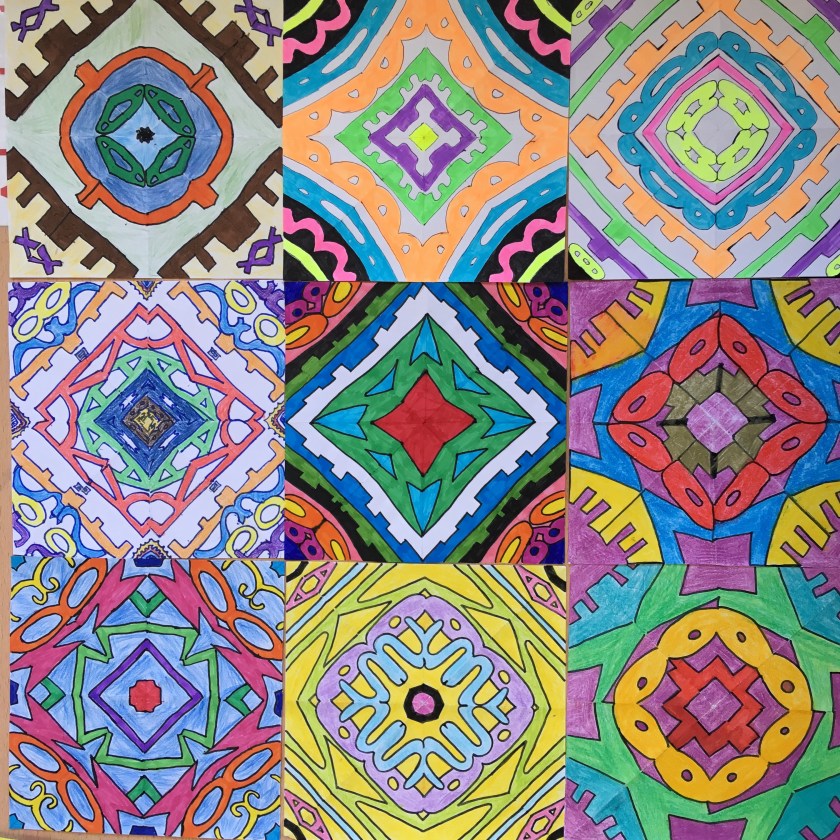
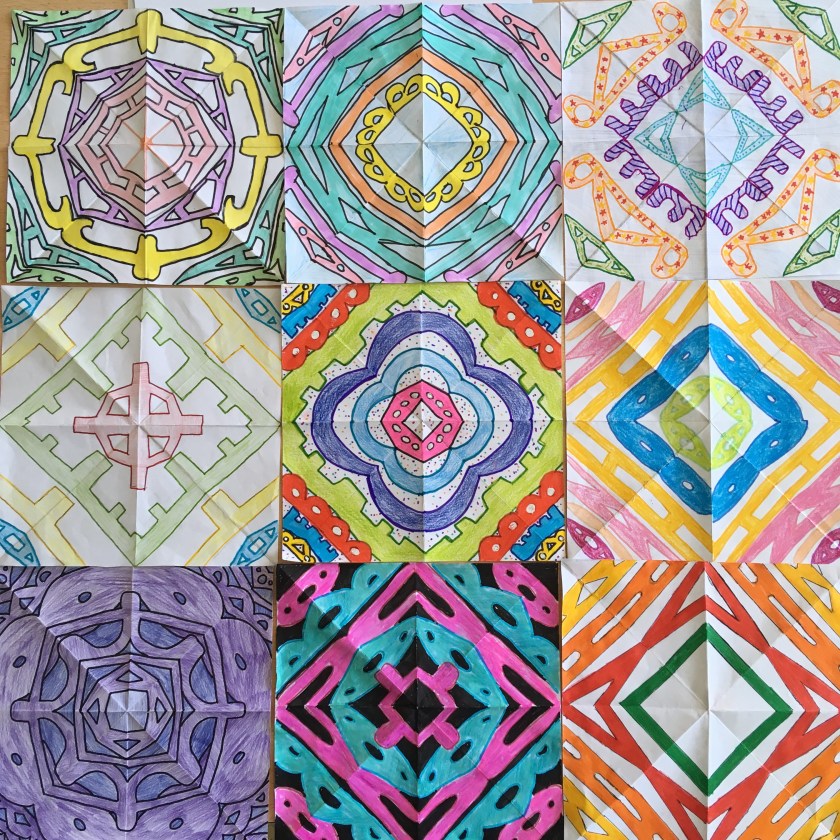
- Apply color while maintaining the symmetry
Works from previous years:

 Plasticavite.com
Un comentario sobre “A Journey Through Order and Beauty”